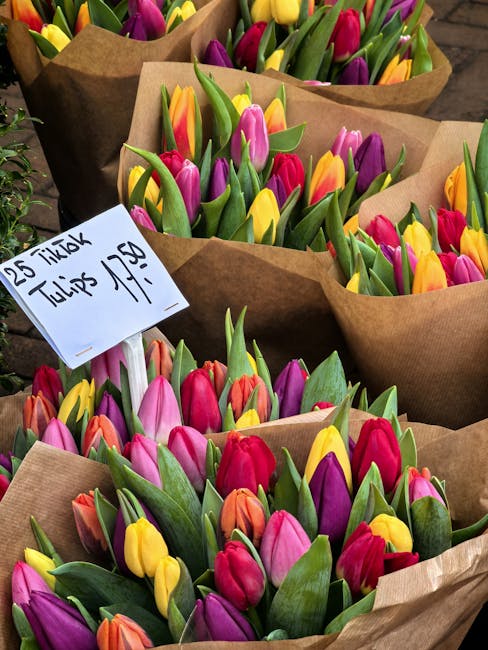
Why Mayfair flower prices vary - local costing explained
Posted on 17/09/2026
Walk past a Mayfair florist on a busy weekday and you will notice it straight away: one bouquet looks simple and elegant, another is a full-on showpiece, and the price tags can feel a little all over the place. That is exactly why Why Mayfair flower prices vary - local costing explained matters. If you have ever wondered why two arrangements that both look "beautiful" are priced so differently, you are not alone. In Mayfair, flower pricing is shaped by more than the flowers themselves. Local labour, sourcing, delivery timing, seasonal demand, and presentation all play a part. Once you understand the moving pieces, the numbers make far more sense.
This guide breaks the cost down in plain English. We will look at what drives pricing, how florists build costs, where value is really created, and how to judge whether you are paying for quality or simply paying for the postcode. Truth be told, a lot of the confusion disappears once you know what to ask.
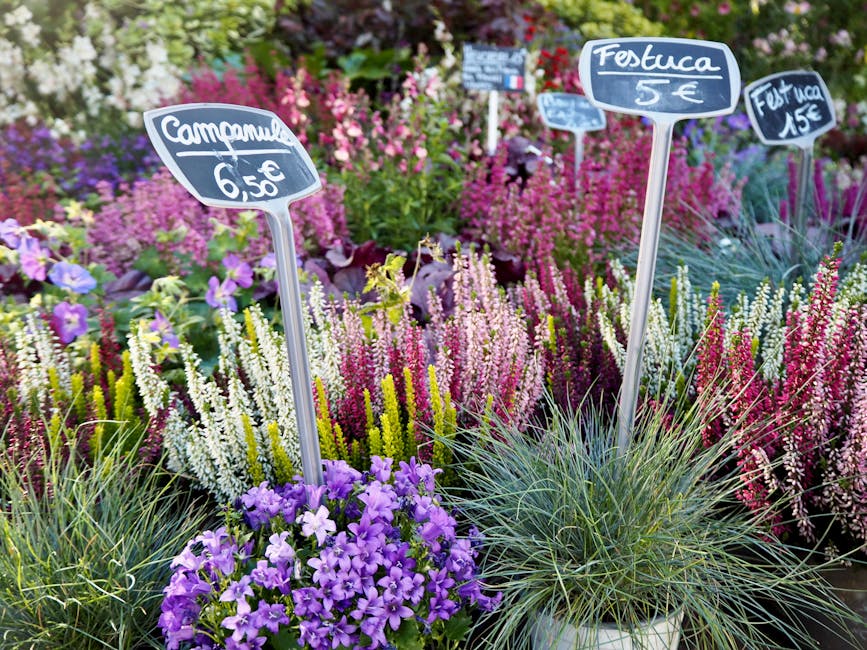
Table of Contents
- Why why Mayfair flower prices vary - local costing explained matters
- How pricing works in practice
- Key benefits and practical advantages
- Who this is for and when it makes sense
- Step-by-step guidance
- Expert tips for better results
- Common mistakes to avoid
- Tools, resources and recommendations
- Law, compliance, standards, or best practice
- Options, methods, or comparison table
- Case study or real-world example
- Practical checklist
- Conclusion
- Frequently asked questions
Why why Mayfair flower prices vary - local costing explained Matters
Mayfair is not a generic delivery zone. It is a high-footfall, high-expectation part of London where customers often want more than a standard bunch in a sleeve. They want presentation, reliability, discretion, and sometimes a very specific result for an event, hotel, office, dinner, or personal gift. That changes the cost structure in a real way.
Prices vary because a florist is not only selling stems. They are selling time, skill, sourcing judgement, and delivery certainty. In a neighbourhood like Mayfair, there is also the pressure of speed. Same-day requests, narrow delivery windows, and premium presentation standards can all raise the final price. And yes, the same can be true if you are ordering a straightforward bouquet, but you need it delivered beautifully and on time without fuss.
It also matters because flower buying is often emotional. You might be sending birthday flowers, sympathy flowers, or something romantic, and the last thing you want is a checkout page that feels opaque. When you understand local costing, you can budget better, choose the right product, and avoid the classic mistake of comparing a florist's hand-tied bouquet with an online "deal" that is not really the same thing at all.
One small but important point: Mayfair pricing is often linked to service level, not just product level. That distinction is easy to miss if you are browsing in a hurry on your phone at 8:30 in the morning with a coffee going cold beside you.
How pricing works in practice
Flower pricing in Mayfair tends to be built from several layers. If you strip it back, the florist is balancing product cost, design time, overheads, and delivery logistics. Those layers do not always show up neatly on the product page, which is why the price can seem higher than expected.
1. The flowers themselves
Some flowers are naturally more expensive because they are harder to grow, import, store, or keep looking fresh. Roses, lilies, tulips, hydrangeas, and seasonal stems all behave differently in the market. A bouquet using premium stems or unusually fresh-grade blooms will cost more than a mixed arrangement built around longer-lasting, lower-cost flowers.
Seasonality is a huge driver. A stem that is abundant in one month may be expensive in another. Around peak occasions such as Valentine's Day or Mother's Day, supply tightens, and prices can rise quickly. You will notice this in the final price long before you see it explained anywhere.
2. Design labour and arrangement complexity
A simple hand-tied bouquet takes less time than a complex sympathy tribute, wedding bouquet, or bespoke corporate installation. Time is money, especially in a premium area where florists are often working to exacting standards. The more shaping, wiring, conditioning, and finishing required, the more the cost tends to move up.
There is also the skill factor. An experienced florist can make a bouquet look balanced, elegant, and expensive without loading it with unnecessary stems. That expertise does not show up as petals and leaves, but it is absolutely part of the value.
3. Local overheads
Mayfair rents, staffing expectations, and operational costs are typically higher than in lower-cost areas. Florists must cover premises, refrigeration, transport, maintenance, packaging, and waste. Flowers are perishable. There is no magical trick there. A stem that is not sold in time can become loss very quickly.
Those overheads are baked into the price, even if a customer only sees a bouquet and thinks, "That seems steep." To be fair, it is steep compared with supermarket flowers, but it is not the same product or the same service model.
4. Delivery and timing
Delivery is a major factor in Mayfair. Tight windows, traffic, parking constraints, concierge handovers, or building access requirements all add operational complexity. Same-day delivery or next-day delivery can also affect the price because the florist has to prioritise stock, staff time, and route planning. A smaller order may still cost more than expected if it needs urgent handling.
If you need a premium service, that usually means more coordination, not less. In a busy London morning, a florist may be arranging three wedding deliveries, a sympathy tribute, and a corporate reception installation before lunch. That is the reality behind the price.
5. Packaging and presentation
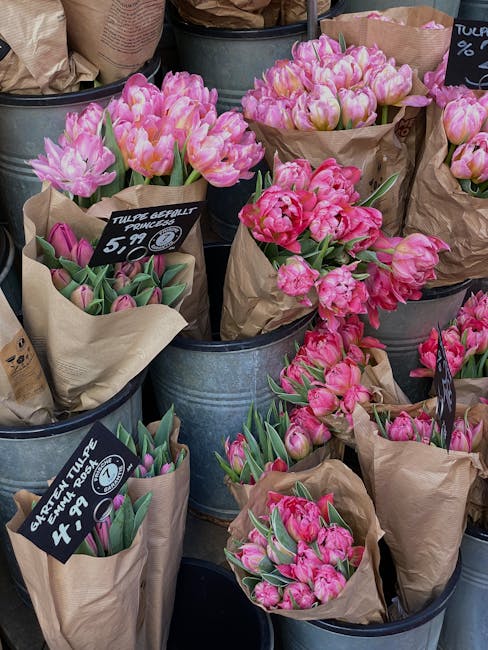
Wrapping, ribbon, hydration packs, branded boxes, cards, and vase prep all influence the final figure. Some customers want a no-frills arrangement, while others want a gift-ready presentation that feels polished from the first glance. The more refined the finish, the more labour and material cost is involved.
For example, a bouquet sent as a gift may include a message card and careful packing for transit, while wedding flowers may need precision conditioning, staged delivery, and additional handling. Different job, different price.
6. Occasion-led pricing
Occasion matters because expectations change. A birthday bouquet can be bright, loose, and cheerful. A funeral tribute has to be shaped with care and sensitivity. Wedding flowers often require consultations, sample work, coordination with venues, and timing that is far more demanding than a standard order.
For a quick sense of how product type can change cost, compare a simple gift bouquet with a structured tribute or a wedding arrangement. The materials might overlap, but the labour and planning rarely do. If you are browsing, pages like birthday flowers in Mayfair or funeral flowers in Mayfair give a good feel for how occasion-specific design affects pricing.
Key Benefits and Practical Advantages
Understanding local costing is not just about being a smarter shopper. It helps you buy with confidence and avoid disappointment. That alone is worth a bit of attention.
- You can compare like with like. A low-price bouquet and a premium hand-tied arrangement are not the same, even if they both use roses.
- You can set a realistic budget. Once you factor in delivery and design, you are less likely to be caught out at checkout.
- You can choose value, not just the lowest price. Sometimes a slightly higher spend gets you better freshness, better design, and a better impression overall.
- You reduce rush-order stress. Knowing how same-day or next-day orders are priced makes last-minute gifting easier to plan.
- You can match the bouquet to the occasion. That matters whether you are sending sympathy flowers, corporate flowers, or something for a celebration.
A subtle but important benefit is trust. When a florist explains pricing clearly, it usually signals a more organised business. That is a good thing. You want someone who thinks about conditioning, timing, and aftercare, not just someone who throws stems into paper and hopes for the best.
For readers who want a simpler starting point, browsing a broad range such as flower delivery in Mayfair or the wider Mayfair florist selection can help you see how product, delivery, and presentation are bundled together.
Who This Is For and When It Makes Sense
This kind of pricing explanation is useful for more people than you might think. It is not just for repeat buyers or corporate clients. In practice, it helps almost anyone who orders flowers in central London.
Individuals sending gifts
If you are ordering for a birthday, apology, congratulations, or romantic surprise, you will benefit from understanding what the price includes. A GBP45 bouquet may be perfectly fair if it is premium, hand-arranged, and delivered in a narrow window. The label alone does not tell the full story.
Busy professionals
Office managers, assistants, hospitality teams, and people coordinating client gifting often need a dependable service with clear pricing. Time is usually the real cost here. If the flowers arrive looking right, on time, and without follow-up calls, that is worth something.
Event planners and couples
Wedding and event flowers are especially sensitive to costing. The price depends on more than flower count. It depends on scale, installation, style, season, and whether the florist is building several matching arrangements or one statement piece. If you are planning something larger, pages such as wedding flowers in Mayfair and corporate accounts are useful reference points for the kind of service structures that can affect cost.
Anyone comparing local florists
If you are looking at flower shops in Mayfair and trying to decide where value sits, local costing helps you read between the lines. Some florists price aggressively on the bouquet but add more elsewhere. Others build in delivery and presentation from the beginning. Neither is automatically wrong, but the model should be clear.
Step-by-Step Guidance
If you want to make sense of flower pricing without getting lost in jargon, use this practical process. It works whether you are buying a small gesture or something more considered.
- Start with the occasion. Is it birthday, sympathy, wedding, thank you, or just because? The purpose of the flowers changes the design and the expected spend.
- Check the flower type. Premium stems, seasonal blooms, and imported varieties usually cost more than florist's choice or mixed-value arrangements.
- Look at arrangement style. Hand-tied, vase arrangement, basket, tribute, and bouquet all involve different levels of labour.
- Review delivery requirements. Same-day, next-day, and timed delivery can all affect the final quote.
- Judge presentation honestly. Is the product gift-ready, or will you need to arrange a vase, card, or extra wrapping yourself?
- Compare total value, not headline price. A cheaper order that disappoints is not cheaper in real terms. It is just a regret with petals on it.
- Ask what is included. If something is unclear, confirm the stems, size, delivery, and extras before paying.
A simple rule of thumb: if you cannot explain why one arrangement costs more than another, then the product pages are not doing enough work for you. Good florists should make the difference visible.
Expert Tips for Better Results
After years of comparing floral orders and watching what clients value most, a few patterns stand out. They are not glamorous, but they are useful.
Choose the right budget bracket
If you are buying for a premium area like Mayfair, very low budgets can sometimes work against you. Not always, but sometimes. A tiny spend may mean a smaller design, fewer premium stems, or a more basic finish than you expected. If the moment matters, give yourself enough headroom for the florist to create something balanced.
Use florist's choice when flexibility is fine
When you are not fixed on exact flowers, florist's choice can offer stronger value. The florist can use the best available stems that day, which often means better freshness and more efficient costing. That is one of the easiest ways to get more from your money.
Watch for hidden cost signals
Extra stem counts, premium packaging, vases, cards, and delivery upgrades can all nudge the final total up. None of these are bad on their own. The point is simply to know where the extra cost comes from before you click buy.
Be realistic about urgency
Last-minute orders are doable, but they usually cost more operationally. If you want a more refined result without paying rush pressure, order ahead where possible. Even a few hours can make a difference.
Think about longevity, not just first impression
Some flowers look dramatic on day one but fade quickly. Others may seem simpler yet last better. For home displays and reception spaces, longer-lasting stems can offer better value over the week. If care is part of the decision, the site's flower care guidance is worth a look.
One small reality check: the cheapest bouquet is rarely the best value if it arrives looking tired by evening. Nobody wants that awkward moment.
Common Mistakes to Avoid
People usually do not get flower pricing wrong because they are careless. They get it wrong because the shopping moment is quick, emotional, and full of assumptions. Fair enough. Here are the common traps.
- Comparing different products as if they were identical. A mixed hand-tied bouquet is not the same as a vase arrangement or tribute.
- Ignoring delivery detail. In London, delivery timing and access can be a real cost factor.
- Choosing only on image. Nice photos help, but they do not tell you stem quality, size, or handling requirements.
- Forgetting the occasion. A romantic bouquet and a sympathy spray should not be judged by the same standard.
- Assuming "cheap" means good value. Sometimes yes. Sometimes no. Context matters.
- Not checking what is included. Cards, vases, and finishing touches may be extra.
- Ordering too late and then resenting the rush fee. Classic move. Happens all the time.
If you avoid those mistakes, you will probably feel much more confident about what you are paying for. That confidence is worth a lot. Especially when the flowers are for someone who matters.
Tools, Resources and Recommendations
You do not need specialist software to understand flower prices, but a few simple tools and habits help.
- A comparison note on your phone. Jot down bouquet size, stem type, delivery window, and total cost for each option.
- A rough occasion budget. Decide what you want to spend before you browse. That keeps the shopping focused.
- Product category pages. Category browsing helps you see how different bouquets are priced by style and purpose. Useful examples include cheap flowers in Mayfair, best flower delivery in Mayfair, and next day flower delivery in Mayfair.
- Occasion-specific collections. Browsing a relevant collection can make value clearer. For example, luxury flowers, florist choice, and budget each signal a different price-and-service approach.
If you are buying regularly for work, corporate gifting can also simplify decision-making. A steady relationship tends to make pricing more predictable, which is a relief when the inbox is already behaving badly.
Law, Compliance, Standards, or Best Practice
For most flower buyers, this is not a heavily regulated purchase. Even so, good practice matters. Reputable florists should be clear about payment, delivery, substitutions, refunds, and any conditions that affect the order. That helps prevent misunderstanding later, especially for timed or perishable items.
In the UK, flowers are typically perishable goods, so returns and cancellations are often handled differently from non-perishable retail items. Exact terms depend on the seller's own policy and the nature of the order, so it is sensible to read the florist's terms and conditions, returns and refund page, and delivery information before placing a large or time-sensitive order.
Best practice also includes honest product descriptions. If a florist uses seasonal substitution, that should be handled carefully and with the overall look preserved. In premium neighbourhoods, that kind of transparency is especially important. People do not mind reasonable variation. They do mind surprises.
It can also help to understand service guarantees and payment processing before you order. If you want a sense of the business's broader standards, the guarantees, payment, and about us pages are useful reading. And for sustainability-minded buyers, the sustainability page can help you judge whether the florist's sourcing and packaging choices align with your values.
Options, Methods, or Comparison Table
One of the easiest ways to understand Mayfair flower pricing is to compare the main order types side by side. The exact final price will vary by stem choice, season, and delivery requirements, but the cost logic is usually similar.
| Option | Typical cost driver | Best for | Why the price can vary |
|---|---|---|---|
| Florist's choice bouquet | Seasonal availability and design time | Flexible gifting and value | The florist uses what is freshest, so stem mix can shift daily |
| Luxury bouquet | Premium stems, fuller design, presentation | Special occasions and high-impact gifting | Higher-quality flowers and more labour raise the price |
| Same-day delivery order | Urgency and route planning | Last-minute gifts | Faster handling and delivery windows usually cost more |
| Funeral tribute | Shape, size, symbolism, and precision | Sympathy and remembrance | More skilled work and careful coordination are involved |
| Wedding flowers | Planning, scale, and installation | Ceremonies and receptions | Consultation time, transport, and consistency across pieces increase cost |
If you are choosing between methods, ask yourself a simple question: do I need the most flowers for the money, or the most appropriate flowers for the moment? The answer is not always the same. And that is fine.
Case Study or Real-World Example
Here is a realistic scenario. A customer wants flowers sent to a Mayfair office for a birthday on the same day. They have two options in front of them. The first is a low-cost mixed bouquet with standard delivery. The second is a more refined hand-tied arrangement with a card, careful packaging, and a tight delivery window.
At first glance, the cheaper bouquet looks like the better deal. But once the customer factors in the delivery timing, the professional presentation required for a reception desk, and the need for the flowers to still look fresh late in the afternoon, the second option begins to make more sense. It costs more, yes. But it also reduces the risk of underwhelming the recipient.
Now imagine the same customer ordering for a dinner table in a hotel suite. Suddenly vase shape, height, scent, and the overall colour palette become more important. A brighter, more fragrant arrangement might be lovely at home, but too much for a formal setting. That is where local costing and product choice meet real-life use.
In our experience, the orders that feel "expensive" at checkout often feel perfectly reasonable once the flowers arrive and do the job properly. The opposite is true too, sadly. A bargain can be a bit of a false friend.
Practical Checklist
Use this quick checklist before placing an order in Mayfair:
- Have I chosen the right occasion category?
- Do I understand whether the flowers are seasonal, premium, or florist's choice?
- Is the delivery timing realistic for my address or event?
- Does the price include wrapping, card, vase, or other extras?
- Am I comparing the same type of arrangement across sellers?
- Have I checked the florist's delivery and refund terms?
- Does the bouquet size match the impression I want to make?
- Would a more flexible arrangement offer better value?
- Do I need same-day, next-day, or a pre-booked delivery slot?
- Have I allowed enough budget for quality without overpaying for features I do not need?
If you can tick most of those off, you are already ahead of the average buyer. Not glamorous, perhaps. But effective.
Conclusion
Mayfair flower prices vary because the price reflects more than stems in a bunch. It reflects sourcing, labour, presentation, delivery, urgency, and the standard of service expected in a premium London area. Once you know that, the numbers stop feeling mysterious and start feeling logical.
The real skill is not finding the absolute lowest price. It is finding the best value for the moment you are trying to create. Sometimes that means a simple bouquet. Sometimes it means a more polished arrangement that arrives exactly as it should. Either way, informed choices are easier, calmer, and usually better value in the end.
Get a free quote today and see how much you can save.
And if there is one final thought to leave you with, it is this: flowers are one of those rare purchases where a little clarity goes a very long way. When you understand the cost, you can enjoy the beauty without second-guessing it.
Frequently Asked Questions
Why do flowers cost more in Mayfair than in other areas?
Prices can be higher because Mayfair florists often work with premium presentation standards, higher overheads, and more demanding delivery conditions. You are usually paying for service, reliability, and design as much as the flowers themselves.
Does same-day delivery always make flowers more expensive?
Often, yes. Same-day delivery can require faster stock allocation, tighter route planning, and more urgent handling. It is not always a huge increase, but the rush element usually affects cost.
What is the cheapest way to send flowers in Mayfair?
Flexible options such as florist's choice or budget collections are usually the most cost-effective. If your timing is flexible too, that can help keep the total down.
Are luxury flowers worth the extra price?
They can be, if the occasion calls for a stronger visual impact, better stem quality, or more refined presentation. For a major celebration or client gift, the added expense often makes sense.
Why do two bouquets with the same price look so different?
Because pricing depends on more than stem count. Design time, packaging, flower type, and delivery requirements can all influence the final cost. A cheaper-looking bouquet may actually involve more expensive stems, or vice versa.
Can I get good-value flowers without sacrificing quality?
Yes. Look for florists who offer seasonal stems, florist's choice bouquets, or clearly described value ranges. Those options often balance freshness and price well.
Do funeral flowers cost more than birthday flowers?
They can, because sympathy arrangements often require more structure, more care, and sometimes larger formats such as wreaths, sprays, or tributes. The emotional sensitivity of the order also tends to increase the level of detail.
What should I check before paying for a flower order?
Check the flower type, bouquet size, delivery slot, extras, and the florist's terms for substitutions and refunds. That small bit of checking avoids a lot of disappointment later.
Why does the season change the price so much?
Flower availability changes with the seasons. When a bloom is abundant, pricing tends to be more stable. When supply is tight or demand is high, the price can rise.
Is local florist delivery better than flowers by post?
It depends on what you need. Local delivery is usually better for timed, premium, or same-day orders. Flowers by post can work well when timing is less urgent and presentation requirements are simpler.
How do I know if I am paying for quality or just postcode pricing?
Look at the stem description, arrangement style, delivery details, and service information. If the florist clearly explains what is included, that is usually a good sign the price is tied to real value rather than just location.
What is the best way to compare Mayfair flower prices fairly?
Compare like with like: same occasion, similar size, similar delivery speed, and similar presentation. Once those factors line up, the price difference becomes much easier to understand.