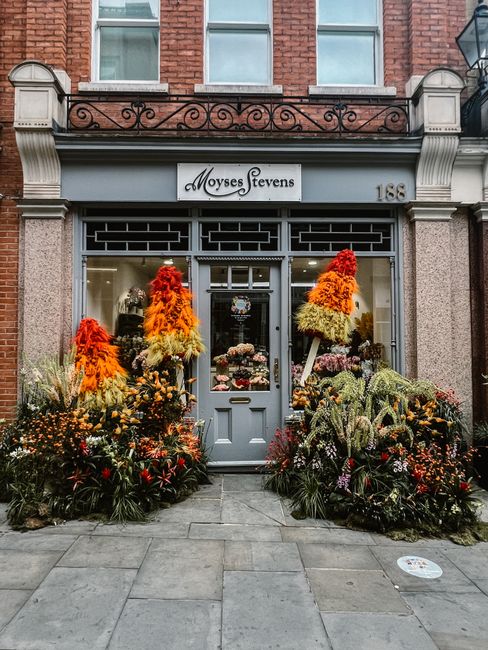
Westminster Council rules for Mayfair street floral displays
Posted on 03/10/2026
If you're planning Westminster Council rules for Mayfair street floral displays, you're probably trying to balance two things at once: making the street look exceptional and not causing a headache with permissions, pavements, neighbours, or waste. Fair enough. In Mayfair, a floral display can be a lovely small detail or, if handled badly, a messy obstruction by lunchtime. This guide breaks down the practical side of working in the Westminster area, what usually matters most, how to avoid common mistakes, and how to plan a display that feels polished rather than fussy.
Whether you're a business owner, venue manager, florist, concierge, or event organiser, the same basic principle applies: street-facing floral displays need to be attractive, safe, tidy, and appropriate for the location. Let's keep it plain-English and useful.
Why Westminster Council rules for Mayfair street floral displays Matters
Mayfair is not the place for guesswork. Streets are busy, the pavements can be narrow, and the visual standard is high. A floral display outside a hotel, restaurant, showroom, or office entrance is rarely just decoration; it becomes part of the street scene. That means Westminster Council rules for Mayfair street floral displays matter because they help protect access, safety, and the character of the area.
In practical terms, the rules and expectations around street furniture, obstructions, licensing, and public realm use exist to stop a pretty arrangement turning into a trip hazard. Nobody wants a bucket, planter, or stand creeping into the walking line on a wet morning when umbrellas are already everywhere. And in Mayfair, where footfall can be intense at peak times, the margin for error is slim.
There's also the reputational side. If your display looks careless, overspills onto the pavement, or appears to ignore local controls, it can make the business look inattentive. On the other hand, a well-ordered floral frontage can quietly say: this place pays attention to detail. That still counts for a lot in this part of London.
Expert summary: The safest approach is to treat a street floral display as a managed frontage feature, not an open-ended decorating exercise. Size, placement, fixings, maintenance, and clearance matter as much as the flowers themselves.
To be fair, that sounds a little stern. But in a place like Mayfair, the rules are not there to spoil the look. They are there to keep the look working for everyone else too.
How Westminster Council rules for Mayfair street floral displays Works
The exact permission route can vary depending on what you are putting out, where it sits, and whether it occupies public highway space, private forecourt space, or something in between. That distinction is the heart of the matter. A display inside your own boundary is usually a different question from one that reaches onto the pavement, even by a little.
In general, you need to think through four things:
- Location: Is the display fully on private land, or does it touch the public footway?
- Type: Is it a planter, a row of pots, hanging baskets, a temporary event arrangement, a florist installation, or a decorative frontage scheme?
- Duration: Is it a one-day event, seasonal display, or a recurring frontage feature?
- Risk: Could it obstruct pedestrians, reduce visibility, create slipping hazards, or interfere with cleaning and deliveries?
That last point is where many people slip up. The display may seem small in the design office or at 7 a.m. when the street is quiet. By 1 p.m., with deliveries, taxis, wheelchairs, prams, and passers-by moving through, the same arrangement can feel much bigger. Streets have a way of shrinking once real life arrives. Funny how that works.
Usually, a good process involves checking the council's expectations, confirming whether any permission, licence, or consent is needed, and then designing the display to fit the space rather than forcing the space to fit the display. If you're commissioning florals for an event, the florist should also understand local access and safe placement, not just the colour palette. A beautiful arrangement that blocks a doorway is, frankly, not beautiful for long.
If you are planning floral work alongside a wider delivery or installation schedule, the logistics matter just as much as the flowers. Services such as same-day flower delivery in Mayfair or flower delivery across Mayfair W1K can be useful when timing is tight, but the display itself still needs to be set up with the local environment in mind.
Key Benefits and Practical Advantages
Handled properly, a floral display does more than look nice. It can improve the whole entrance experience and support the business in small but meaningful ways.
- Better first impressions: A clean, elegant frontage makes the venue feel cared for from the street.
- Clearer compliance: Planning with local rules in mind reduces the risk of removal, complaints, or last-minute changes.
- Safer access: The right display keeps walkways open and avoids obvious trip points.
- More reliable operations: A sensible layout is easier to water, maintain, and replace.
- Stronger brand fit: The flowers can reflect the tone of the business without looking overdone.
There's a commercial angle here too. In Mayfair, a restrained and well-kept floral display can support a premium feel. Not loud. Not chaotic. Just composed. That subtlety matters. You'll notice it most when the flowers are fresh, the containers are clean, and the display sits neatly in the architecture rather than shouting at it.
For businesses that already use flowers regularly, it can also be smart to think beyond one-off arrangements. A consistent floral approach, whether for a lobby, dining terrace, or event frontage, often works better than occasional bursts of decoration that don't quite match the setting. If you're selecting broader arrangements, you might also compare options like flower shops in Mayfair or browse best flower delivery in Mayfair W1K for a more reliable, local service approach.
Practical takeaway: a well-managed display saves time, looks better, and is much less likely to create awkward conversations with building managers or local enforcement. Which is, let's face it, a nice thing to avoid.
Who This Is For and When It Makes Sense
This topic is relevant to anyone who wants floral displays visible from the street in Mayfair and wants to do it properly. That includes small restaurants, luxury retailers, hotels, galleries, private clubs, office receptions, event planners, residential buildings, and florists working on commercial installs.
It makes sense particularly when:
- you want flowers on or near the frontage of a premises;
- you are planning a seasonal street display;
- you need flowers for an opening, launch, anniversary, or hospitality moment;
- the arrangement may be visible or partly placed near a public pavement;
- you need regular refreshes rather than a one-off bouquet.
For weddings and premium events, the same logic applies, even if the display is temporary. Floral arrangements used at entrances, pick-up points, and street-facing arrival spaces should be designed around movement. That includes guest flow, accessibility, and how the display looks after an hour of weather, touch, and traffic. Mayfair can be glamorous, yes, but it still rains. Often at the most inconvenient moment.
Some readers will simply want to send flowers to a business or resident in the area rather than install a display. That is a different use case, of course, but still connected. For those moments, a service such as send flowers in Mayfair W1K or a specific seasonal choice from luxury flowers can be the cleaner route.
Step-by-Step Guidance
If you want a street floral display that works in Westminster and feels right for Mayfair, use a straightforward process. No drama, just structure.
- Define the purpose. Is this branding, hospitality, seasonal decoration, event dressing, or a celebration?
- Check the exact space. Measure the frontage, note pedestrian flow, door swing, cleaning access, and any steps or gradients.
- Work out what sits where. Confirm whether the flowers are fully private or whether any part reaches into the public realm.
- Choose a display format. Planters, pedestal arrangements, baskets, window-facing florals, and temporary installations all behave differently.
- Keep the footprint modest. Leave generous clearance. The display should frame the entrance, not fight the pavement.
- Check visibility. Make sure signs, doors, and sightlines are not hidden.
- Use stable containers and secure fixings. The first breeze should not turn the display into a slow-motion hazard.
- Schedule upkeep. Watering, deadheading, replacement, and waste removal all need to be planned before the first stem goes in.
- Document the arrangement. Photos, dimensions, and placement notes help if a manager, landlord, or council officer asks questions later.
- Review after installation. Step back, look from the street, and check it again in natural daylight and again in evening light.
One useful habit: stand across the road and look at the display as a passer-by would. You will spot flaws immediately. The planter that felt petite at close range may suddenly look chunky and awkward from twenty metres away. Perspective is rude like that, but helpful.
If the display is part of a wider floral brief, you might also source the underlying arrangement style from a local florist in Mayfair and align the look with the venue rather than treating it as an afterthought.
Expert Tips for Better Results
A few small decisions make a very big difference in Mayfair. The best displays tend to be the ones that look calm, not crowded.
- Choose flowers that hold up well. Some blooms look superb for six hours and tired by the end of the day. For streetside use, durability matters.
- Keep colour schemes disciplined. Two or three tones usually feel more refined than a noisy mix.
- Use containers that match the frontage. The pot, urn, basket, or stand should complement the building and not look like it wandered in from a garden centre car park.
- Leave breathing space. Empty space around the display can look more luxurious than extra stems.
- Plan for weather. Wind, rain, and heat all change how a display behaves. A display that is lovely at 9 a.m. can look oddly defeated by 4 p.m. if you haven't planned ahead.
- Think about scent. Strong fragrances can be delightful or overwhelming depending on the location, especially near hospitality entrances.
In our experience, the best Mayfair floral fronts are not the most expensive. They're the most considered. They match the scale of the building, the rhythm of the street, and the tone of the business. A neat row of quality stems can beat a giant, over-layered display every time.
If you need inspiration for event-led work, browsing categories like all flowers or themed options such as florist choice can help you keep the brief flexible while still staying polished.
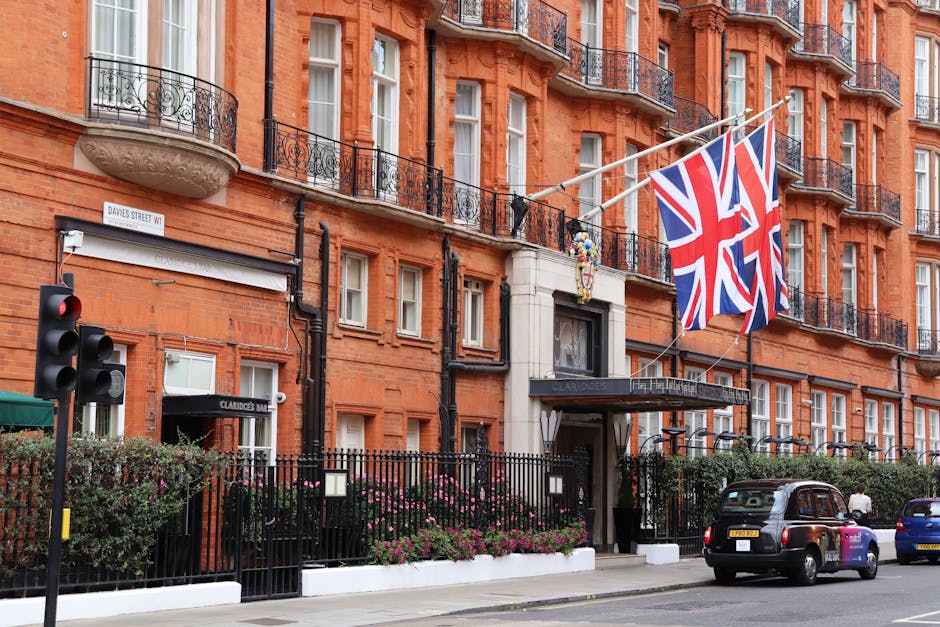
Common Mistakes to Avoid
Most problems with street floral displays are not dramatic. They're ordinary things done a bit carelessly. And those are the ones that cause trouble.
- Blocking the pavement. Even a small obstruction can be a big issue on a busy street.
- Ignoring access needs. If wheelchair users, pushchairs, or delivery staff have to squeeze around the display, it is too large or badly placed.
- Using unstable containers. Tall, light, or top-heavy planters can move more than you expect.
- Forgetting maintenance. Wilted stems, spilling water, and dropped petals can make a display look neglected very quickly.
- Choosing the wrong flowers for the setting. Some styles suit a wedding table, not a pavement frontage.
- Assuming private frontage means no rules. Boundary lines can be trickier than they look.
- Overdecorating. If the flowers compete with signage, entrance furniture, and lighting all at once, the result can feel cluttered.
A smaller mistake, but still common, is failing to coordinate with the people who actually work at the site. The front desk team, security staff, cleaners, and building manager usually know where the pressure points are. Ask them. They'll often point out the one awkward corner you missed. Saves a lot of bother later.
Tools, Resources and Recommendations
You do not need a huge setup to manage a compliant and attractive display, but you do need the right basics.
| Item | Why it helps | Best use |
|---|---|---|
| Measuring tape | Confirms width, depth, and clearance | Planning placement before installation |
| Site photos | Records current layout and constraints | Briefing florists, managers, or landlords |
| Stable containers | Reduces movement and tipping risk | Pavement-facing or entrance displays |
| Watering plan | Keeps flowers fresh and the area tidy | Daily maintenance and event days |
| Placement sketch | Shows where everything goes | Useful for approvals and on-site teams |
A practical florist will also think about transport timing, staging space, and how the display will be moved into place without blocking the entrance for too long. That sounds obvious, but on a narrow London street, the loading minute matters. A lot.
For complementary floral needs, you can also look at more specific gift or occasion pages such as best sellers, flowers in a vase, or same-day delivery if the requirement is time-sensitive rather than installation-led.
Law, Compliance, Standards, or Best Practice
This is the area where caution matters. Street floral displays can touch on local permissions, highway considerations, building rules, landlord requirements, health and safety, and sometimes event licensing. The exact position depends on the nature of the display and the property arrangement. Because of that, it is wise not to assume that one arrangement for one venue will automatically be acceptable for another, even if they are only a short walk apart.
At a minimum, best practice usually means:
- keeping pedestrian routes clear;
- avoiding trip hazards and unstable bases;
- not obscuring sightlines at entrances, crossings, or driveways;
- preventing water runoff or debris from creating slipping risks;
- coordinating with building management or property owners;
- checking whether the display is temporary, recurring, or fixed in place;
- using safe access and maintenance procedures for staff.
If any part of the arrangement projects into shared or public space, it is especially sensible to confirm requirements before installation. A quick check upfront can spare you from a hurried removal later, which is always a bad moment. Not ideal. Not at all.
For businesses that operate year-round, sustainability is another useful lens. Reusable containers, responsible sourcing, and a plan for flower longevity can reduce waste and improve the overall operation. If that matters to your brand, the site's sustainability and flower care pages can support a more thoughtful approach to display management.
Options, Methods, or Comparison Table
Not every floral frontage needs the same format. The right method depends on how visible it needs to be, how much space you have, and how long it needs to last.
| Method | Strengths | Limitations | Best for |
|---|---|---|---|
| Planter-led frontage | Structured, stable, easy to repeat | Can look bulky if oversized | Restaurants, boutiques, hotels |
| Temporary event install | Flexible and highly tailored | Needs careful timing and removal | Launches, receptions, launches |
| Basket or pedestal display | Elevated and elegant | May be more exposed to weather | Shorter-term street-facing moments |
| Window-focused florals | Less impact on pavement space | Lower street visibility from some angles | Protected frontages and retail displays |
If you are unsure which format suits the site, a modest arrangement is often the safer starting point. You can always expand if there is space and the frontage behaves well in real use. You can't always easily shrink a display that has already taken over the doorway. That part is awkward.
Case Study or Real-World Example
Imagine a Mayfair restaurant preparing for a summer launch. The team wants a floral presence outside the door because the street itself is part of the experience. The brief is elegant, not theatrical. They choose low, stable planters with a restrained palette, and they place them just inside the frontage line so the pavement remains open.
Before installation, the manager walks the route from the entrance to the nearest kerb and checks how guests will actually arrive. A taxi drops off two people, a wheelchair user needs smooth access, and staff still need room for deliveries at the side. That simple walk-through changes the layout. The display becomes slightly smaller, but much more usable.
The florist then schedules a refresh plan for the following day, because the venue expects evening lighting and a full lunch service. A second check is done after the first arrangement is in place. It looks neat in daylight, and at dusk the flowers catch the warm interior light from the windows. It's a small thing, honestly, but it gives the frontage a calmer, more expensive feel.
What made it work? Not the flowers alone. The success came from spacing, timing, maintenance, and respecting the street. That's the bit people miss when they only focus on colour.
Practical Checklist
Use this quick checklist before approving or installing any floral frontage in Mayfair.
- Purpose confirmed: branding, event, hospitality, or seasonal display
- Space measured: width, depth, and clearance recorded
- Boundary checked: private land versus public pavement clarified
- Access protected: pedestrians, wheelchairs, prams, and staff can pass comfortably
- Containers stable: no wobble, tipping risk, or exposed water spill risk
- Display proportionate: not oversized for the frontage
- Maintenance planned: watering, cleaning, replacement, removal
- Weather considered: wind, rain, heat, and shade checked
- Permissions reviewed: council, landlord, and building requirements confirmed where needed
- Final walk-through done: view from the street and from the doorway
If you can tick all ten, you are in a much better place. If not, pause and fix the weak points first. That's rarely wasted time.
Get a free quote today and see how much you can save.
Conclusion
Westminster Council rules for Mayfair street floral displays are really about balance: style with safety, elegance with access, and visual appeal with local responsibility. If you treat the display as part of the public environment, not just a decorative extra, you'll make better decisions from the start.
The best results usually come from planning the layout carefully, keeping the footprint sensible, and choosing flowers and containers that suit the street rather than fighting it. That's true whether you're dressing a hotel entrance, a restaurant frontage, or a special event space. And truth be told, that little bit of restraint often looks more luxurious anyway.
When in doubt, step back, check the sightline, and imagine the busiest hour of the day. If it still looks calm then, you're probably on the right track. Small details matter in Mayfair. They really do.
Frequently Asked Questions
Do I need permission for floral displays outside a business in Mayfair?
It depends on where the display sits and whether it affects public pavement space. If any part of the arrangement reaches into shared or public areas, you should check the relevant local requirements before installation.
What counts as a street floral display under Westminster Council rules?
In practical terms, it can include planters, baskets, pedestal arrangements, temporary event florals, and other decorative features placed where they are visible from or partly occupy the street frontage.
Can I put flowers on the pavement if they are small?
Small does not automatically mean acceptable. Even a modest display can be a problem if it narrows the walking route, blocks visibility, or creates a hazard for pedestrians.
Are temporary event floral displays treated differently?
Often, yes. Temporary installations may be assessed differently from permanent or recurring frontage features, but they still need to be safe, proportionate, and suitable for the location.
What is the safest type of display for a busy Mayfair street?
Stable, low-profile arrangements that stay within the frontage line are usually the safest starting point. The key is to avoid anything top-heavy, overwide, or easily displaced by wind or foot traffic.
How far in advance should I plan a floral installation?
As early as possible. Even a simple display benefits from planning for measurements, access, timing, and maintenance. If approval or landlord sign-off is needed, leave extra time.
What are the most common compliance mistakes?
The biggest mistakes are blocking the pavement, ignoring access requirements, failing to maintain the display, and assuming that a pretty arrangement does not need checking because it is decorative.
Can my florist handle the local rules for me?
A good florist can help with practical layout and installation advice, but responsibility for permissions and site suitability usually still sits with the venue, organiser, or property manager.
Do floral displays need to be removed every day?
That depends on whether they are temporary, fixed, or part of a recurring frontage scheme. For many installations, daily checks and regular maintenance are wise even if full removal is not required.
What flowers work best for street-facing displays in London weather?
Hardier flowers and structured arrangements tend to hold up better, especially when the display is exposed to wind or changing temperature. The best choice will depend on shade, season, and the amount of handling the display gets.
Can floral displays affect accessibility?
Yes, absolutely. A display that looks fine in photos can still be awkward for wheelchair users, pushchairs, delivery staff, or anyone trying to move through the entrance smoothly. Accessibility should be part of the first draft, not the afterthought.
Where can I find related floral options for Mayfair?
If you are comparing display styles, gifts, or event arrangements, pages such as weddings, best sellers, and luxury flowers can help you narrow down the tone and scale that suits your space.
What should I do if I am unsure whether my display is allowed?
Pause, measure the space, review the frontage, and check the relevant permissions or site rules before going ahead. A short delay is far better than having to dismantle a display after it has already gone up.